KINO
La palabra cine proviene del término griego kínema, movimiento, ¿correcto? Y el cine es, sin duda, eso: historias y acciones, luces y sombras, interpretaciones y lugares; el cine son las imágenes sucediéndose, pero también motor e impulso: ancla de la cordura, detonante de la locura. Cosa curiosa que el cine remueva en un par de horas entrañas y espíritu, mas en las salas el movimiento sea escaso, casi imperceptible.
Durante las funciones, pareciera que la actividad corporal fuera mínima, y habrá aquel que argumente, por medio de decenas de razonamientos válidos y rigurosos, que esto debe ser así, que no hay otra forma de ver el cine que la actual, la tradicional, y acaso así sea. Sin embargo, todas estas demostraciones poco nos interesan, pues lo que nos incumbe son las pequeñísimas acciones que se dan en el cuerpo mientras el cine acontece.
Abordemos el principio y la historia: en esencia se precisa un único movimiento: el de los ojos, y con ellos, el de los párpados. Son los ojos los que recorren la pantalla de un lado a otro, y se concentran en aquello que les atrae. Cuando la imagen cambia, el ojo salta: para arriba, para abajo, para un lado, para el otro. Si hay palabras, el ojo las lee, y leer, por norma, es movimiento: el ojo transita, con una presteza fascinante, las palabras que componen los letreros en la pantalla o los subtítulos. Así que el ojo salta, recorre y transita los rostros, las letras, los paisajes, los objetos, las sílabas y una casa inmensa golpeada por el viento en Noruega.
Además…, el ojo también llora, y, cuando lo hace, fragmentos del cuerpo se transforman. Miremos.
Ese hombre de allá llora y numerosos músculos de su rostro se expanden y se contraen; pero no solo es la carne de su nariz, de su boca y de sus cejas la que varía, también la de sus manos, sus brazos y su tórax. El hombre llora, y su mano —su dedo índice— corre las lágrimas que se derraman por sus ojos, mas el llanto no viene solo: el sollozo se aproxima y, para contenerlo, el hombre se abraza, dominándose. (Y el movimiento por ley divina es eléctrico y desencadenante; por lo tanto, las personas a su alrededor reaccionan: algunas, incómodas, sujetan botellas, manos y reposabrazos; otras, se soban el pecho y sujetan con fuerza cadenas colgadas a su cuello).
El movimiento libera y, tras llorar, el hombre, finalmente, suspira. Se suena usando sus dos manos y, una de ellas, acaricia las mejillas y los labios; luego, sostiene el mentón.
Continuemos. La mujer que entró apresurada, la del pelo encanecido y el abrigo vinotinto, llora; mas su llanto es consecuencia de la risa, de una alegría que sacude todos los miembros del cuerpo, cientos de músculos son utilizados por aquella mujer al reír. Y no solo ríe, no solo se escucha su carcajada —junto a la de muchas otras personas—, sino también una onomatopeya posterior que lanza a su amiga, sentada en el asiento de al lado. Así que ella, no solo produce movimiento, sino ruido y, sin quererlo, orina. Su vejiga se ha contraído, el esfínter se ha soltado y la uretra ha expulsado dos pequeñas gotas que han humedecido su ropa interior, y ella, avergonzada, ha cruzado sus piernas.
En otra sala, un joven realiza el mismo movimiento, mas es otro el motivo que lo ha movido a hacerlo. Observa, no más, cómo se cubre la mitad del rostro y cómo sus dedos oprimen sus ojos. Está incómodo, quizá alterado. (¿Proviene su malestar de la escena que observa o del recuerdo?) La acción en la pantalla continúa y debe componerse: se endereza en el asiento y, turbado, se inclina: los codos se acomodan en las rodillas, unos cuantos dedos atraviesan los pómulos y luego sostienen la cara por la barbilla. La imagen cambia y el joven se extiende en la silla: las piernas se abren y las manos —dentro de los bolsillos del abrigo— cubren la excitación de la entrepierna.
Un último movimiento. Fijémonos en la joven sentada en una de las últimas filas, a unos asientos de la esquina. Sí, la que tiene los brazos cruzados sobre el torso. Mira cómo su cabeza cae lentamente sobre el pecho, una y otra vez; y una y otra vez, la joven la levanta. Realmente intenta, trata: se acomoda en la silla, dispuesta, pero su cuerpo vuelve a deslizarse, la espalda se ajusta al asiento, la joven bosteza —abriendo ampliamente la boca—, fija su mirada en un punto perdido en la pantalla y sus párpados, tras mucho luchar, se cierran. Duerme, y, después diez minutos dormida, ronca. Una vez, un ronquido suave. Nadie se ha dado cuenta, solo ella, que decide permanecer en su asiento hasta perderse el último crédito.
Y estas meras observaciones, seguro otras gentes ya las habrán advertido. No obstante, en el cine y en la vida, es fundamental saber adónde mirar, adónde apuntar la cámara, y eso es lo que hacemos tú y yo, mientras acomodamos a las personas en sus asientos: darles una mirada.
[EN]
The word cinema comes from the Greek term kínema, which means movement, correct? And cinema is certainly that: stories and actions, lights and shadows, performances and places; cinema consists of images succeeding one another, but also a driving force and impulse: an anchor of sanity, a trigger for madness. It is curious that cinema can stir up emotions and spirits in a couple of hours, yet in theaters, movement is rare, almost imperceptible.
During screenings, it seems that physical activity is kept to a minimum, and there will be those who argue, through dozens of valid and rigorous reasons, that this is how it should be, that there is no other way to watch cinema than the current traditional way, and perhaps this is true. However, we are not very interested in all these demonstrations, because what concerns us are the tiny actions that take place in the body while the film is happening.
Consider the beginning and the history: essentially, only one movement is required: that of the eyes and along with them, the eyelids. It is the eyes that scan the screen from side to side, focusing on whatever attracts them. When the image changes, the eye jumps: up, down, one side, the other. If there are words, the eye reads them, and reading, as a rule, is movement: the eye moves with fascinating speed over the words that make up the signs on the screen or the subtitles. So the eye jumps, travels and wanders over faces, letters, landscapes, objects, syllables and a huge house lashed by the wind in Norway.
But the eye also cries, and when it does, fragments of the body are transformed. Let's take a look.
That man over there is crying, and numerous muscles in his face expand and contract; but it is not only the flesh of his nose, mouth and eyebrows that changes, but also that of his hands, arms, and chest. The man cries, and his hand —his index finger— wipes away the tears that spill from his eyes, but the crying does not come alone: sobbing approaches, and to contain it, the man embraces himself, controlling it. (And the movement, by divine law, is electric and explosive; therefore, people around him react: some uncomfortable, hold bottles, hands, and armrests; others rub their chests and cling tightly to chains hanging around their necks).
The movement liberates, and after crying, the man finally sighs. He blows his nose using both hands, and with one of them, he caresses his cheeks and lips; then, he holds his chin.
Let's continue. The woman who rushed in, the one with gray hair and a burgundy coat, cries; but her crying is a consequence of laughter, of a joy that shakes every limb of her body, hundreds of muscles are used by that woman when she laughs. And she doesn't just laugh, you don't just hear her laughter —along with that of many other people— but also a subsequent onomatopoeia that she throws at her friend, sitting in the seat next to her. So she not only produces movement, but noise, and unintentionally she pees. Her bladder has contracted, her sphincter has loosened, and her urethra has expelled two small drops that have dampened her underwear, and she, embarrassed, has crossed her legs.
In another screening room, a young man performed the same gesture, but for a different reason. Observe how he covers half his face and presses his fingers against his eyes. He is uncomfortable, perhaps upset. (Does his discomfort stem from the scene he is watching or from a memory?) The action on the screen continues and he must pull himself together: he sits up straight in his seat and, troubled, leans forward: his elbows rest on his knees, a few fingers cross his cheekbones and then hold his face by the chin. The image changes and the young man stretches out in his chair: his legs open and his hands—inside his coat pockets—cover the arousal between his legs.
One last movement. Let's look at the young woman sitting in one of the back rows, a few seats from the corner. Yes, the one with her arms crossed over her chest. Watch how her head slowly falls onto her chest, again and again; and again and again, the young woman lifts it up. She really tries, she makes an effort: she settles into her chair, determined, but her body slips back, her back adjusts to the seat, the young woman yawns—opening her mouth wide—fixes her gaze on a point lost on the screen, and her eyelids, after much struggle, close. She sleeps, and after ten minutes of sleep, she snores. Just once, a soft snore. No one has noticed, only she, who decides to remain in her seat until the final credits roll.
And these mere observations, I'm sure other people will have noticed them already. However, in cinema and in life, it's essential to know where to look, where to point the camera, and that's what you and I do, as we seat people in their seats: we give them a look.
Text translation: Amaranta M. Castillo
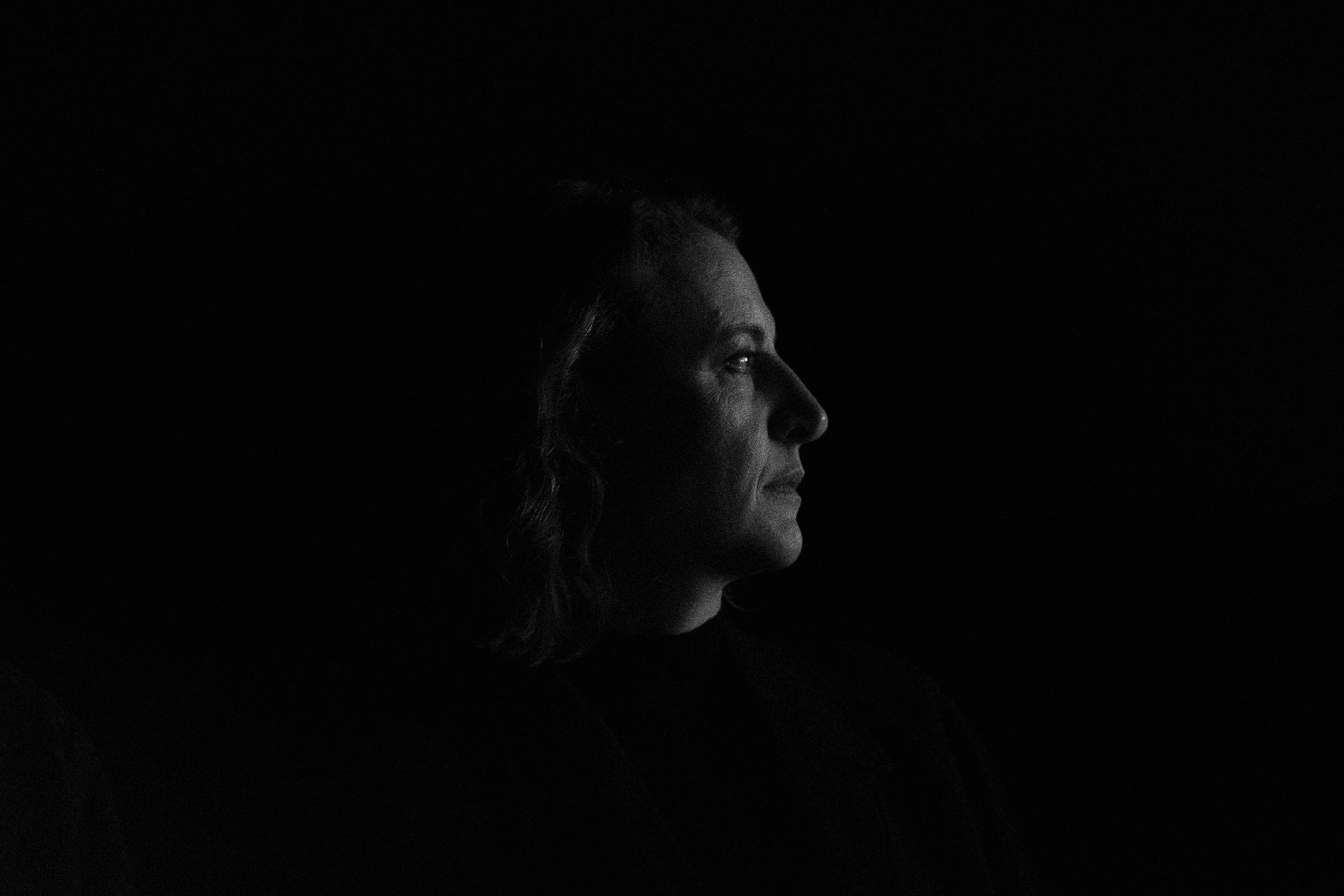
These images are part of the photographic record of the Around the World in 14 Films festival.
28 Nov- 6 Dec 2025